How Fast Does Mold Grow After a Water Leak? (The 48-Hour Rule Explained)
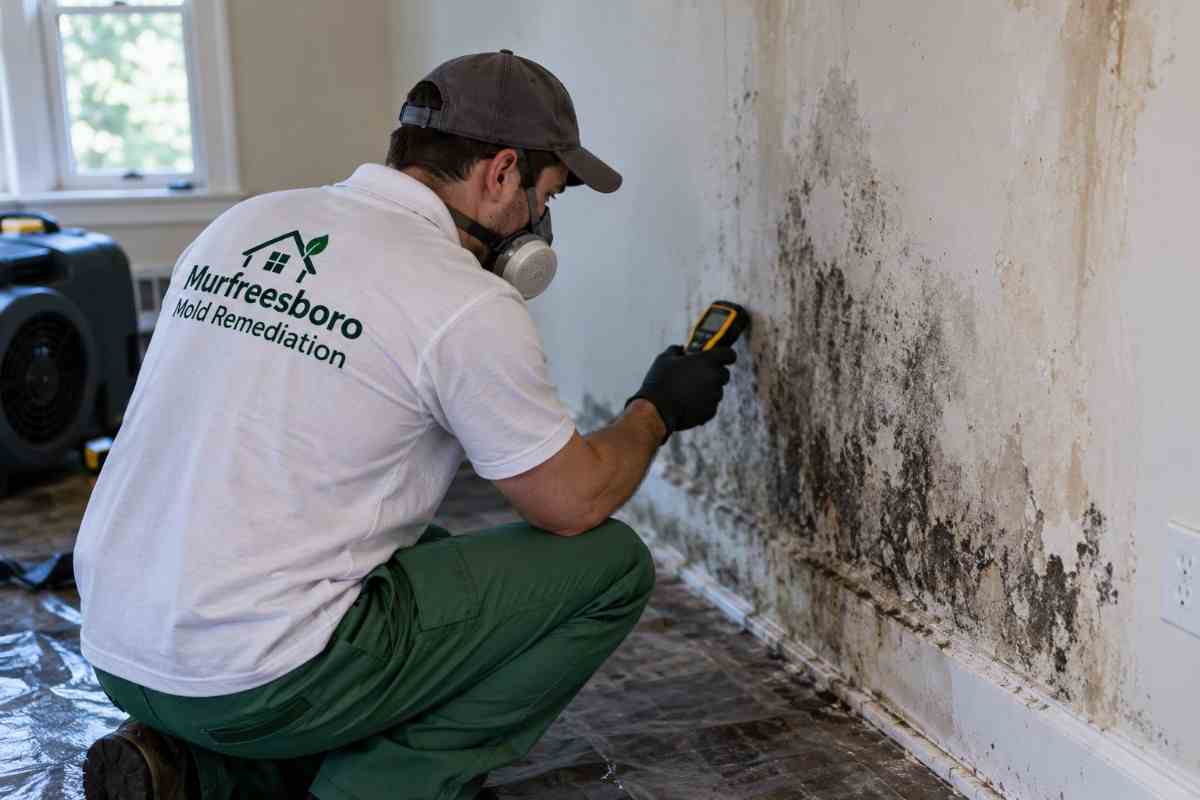
If you just discovered a burst pipe or flooded floor, the scientific answer to how fast mold grows after a water leak is exactly 24 to 48 hours. According to EPA guidelines and IICRC water damage standards, dormant mold spores need just 60% humidity and wet porous material (like drywall or wood) to activate and germinate. As certified mold remediation experts serving Murfreesboro, TN for over 10 years, we see homeowners attempt to dry leaks with household fans, completely unaware that trapped water inside their walls is already breeding structural mold.
You do not have weeks to fix a leak; you have hours. Here is the exact, data-driven timeline of what is happening inside your home and the scientific steps required to stop it permanently.
Hour-by-Hour Timeline: What Happens to Your House
| Time Elapsed | What is Happening to Your Home | Visible Signs & Odors | Immediate Action Required |
| 0 – 24 Hours | Water saturates drywall, subfloors, and carpet pads. Dormant spores absorb the moisture and awaken. | Wet flooring, damp walls, pooling water. | Shut off the main water valve; remove standing water immediately. |
| 24 – 48 Hours | Spores germinate and push microscopic root networks deep into porous building materials. | Faint “musty” or earthy odor; drywall may begin to bubble or swell. | Deploy industrial dehumidifiers and commercial air movers. |
| 48 – 72 Hours | Mold colonies multiply rapidly. The fungus begins actively breaking down and eating the wood and paper. | Dark, green, or white surface spots; heavy musty smell. | Stop DIY drying. Professional mold remediation is now required. |
| 1 Week+ | Severe biohazard stage. Mold releases airborne spores and potentially toxic mycotoxins into your HVAC system. | Warped subflooring, peeling baseboards, unexplained respiratory illnesses. | Full containment, drywall removal, and structural cleaning needed. |
Why Middle Tennessee Homes Are at Higher Risk
Murfreesboro summers routinely hit 75% relative humidity or higher. Mold only needs 60% humidity to thrive. Because our outside air is already thick with moisture, wet building materials inside your home cannot dry out naturally.
Furthermore, water travels down. A bathroom leak on your first floor will quickly seep through the wooden subfloor and drip directly into your dark, unventilated crawl space. Because houses breathe from the bottom up, any mold that grows in your wet crawl space will eventually be pulled right back up into your living room air.
What Materials Mold Destroys First
Not all materials grow mold at the same speed. Here is what is at the highest risk after a leak:
- Drywall & Kraft Paper (12–24 Hours): The paper backing on sheetrock is pure cellulose—an all-you-can-eat buffet for mold. Once wet, drywall cannot be saved with a towel.
- Carpet Padding (24–48 Hours): Foam carpet padding traps water like a giant sponge. Pointing a fan at wet carpet will dry the top fibers, but the padding underneath will brew mold and bacteria within two days.
- Hardwood Framing (48–72 Hours): Hardwood resists moisture a little longer, but once the wood absorbs too much water, wood-decay fungi take hold and begin to rot the structural frame of your house.
Costly Mistakes Homeowners Make After a Leak
1. Setting up Regular Household Box Fans A standard ceiling fan or box fan only pushes damp air around the room. It does not actually pull the water out of the drywall. Worse, if mold has already started growing, a fan will blow millions of invisible mold spores into clean, unaffected rooms.
2. Waiting for Insurance Approval Before Drying Many homeowners leave the water sitting while they wait days for an insurance adjuster to arrive. Almost all Tennessee homeowners insurance policies have a “duty to mitigate” clause. This means the insurance company expects you to start emergency professional drying immediately to stop further damage. If you let the water sit and mold grows, they may deny your mold claim due to neglect.
3. Spraying Bleach Over Wet Drywall Household bleach is 90% water. Spraying bleach on wet drywall only changes the color of the mold on the surface while feeding more water to the roots inside the wall. It will grow back thicker within weeks.
How Professionals Stop Mold Before It Starts
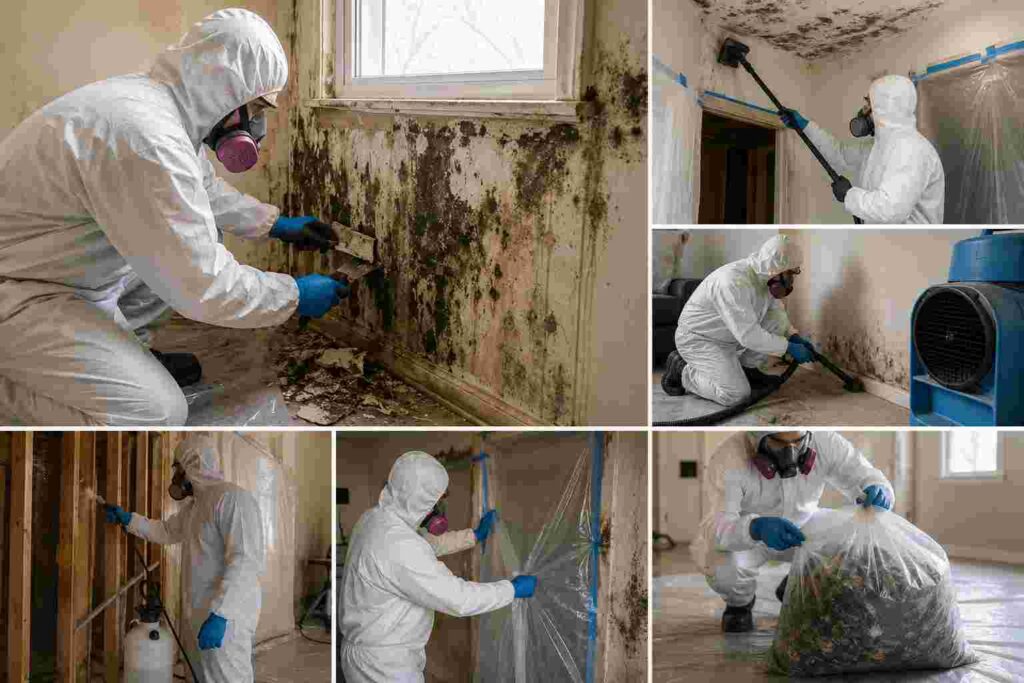
To beat the 48-hour clock, Murfreesboro Mold Remediation uses strict IICRC S500 Standards for water damage restoration. We don’t guess if a wall is dry; we prove it with science.
Preventative Treatments: We treat damp structural framing with professional antimicrobials to ensure mold cannot sprout while the drying process finishes.
Thermal Imaging & Moisture Mapping: We use infrared cameras to see exactly where water is hiding behind your walls without unnecessarily cutting open your drywall.
Commercial Water Extraction: We use high-powered vacuums that physically pull gallons of water out of your carpets and subflooring.
Industrial Dehumidification: We install heavy-duty LGR dehumidifiers that suck the moisture out of the air and the walls simultaneously, drying the home from the inside out.
4 Immediate Steps to Take Right Now
- Turn off your home’s main water shutoff valve immediately.
- Switch off electrical breakers for the wet rooms to prevent electric shock.
- Use a wet/dry shop vacuum or mop to remove standing water from hard floors.
- Move rugs, curtains, and wooden furniture off of wet carpets.
Call Murfreesboro Mold Remediation at 📞 (615) 249-1292 for fast, local emergency water extraction before the 48-hour window closes.1. Turn off your home’s main water shutoff valve immediately.